
Filters
30 products
Products











Cat grooming & care — learn more
Brushes, claws, care: what you need
The right brush depends first on the coat:
- Short hair: the hair removal glove or the self-cleaning brush, usually once a week, more often during shedding.
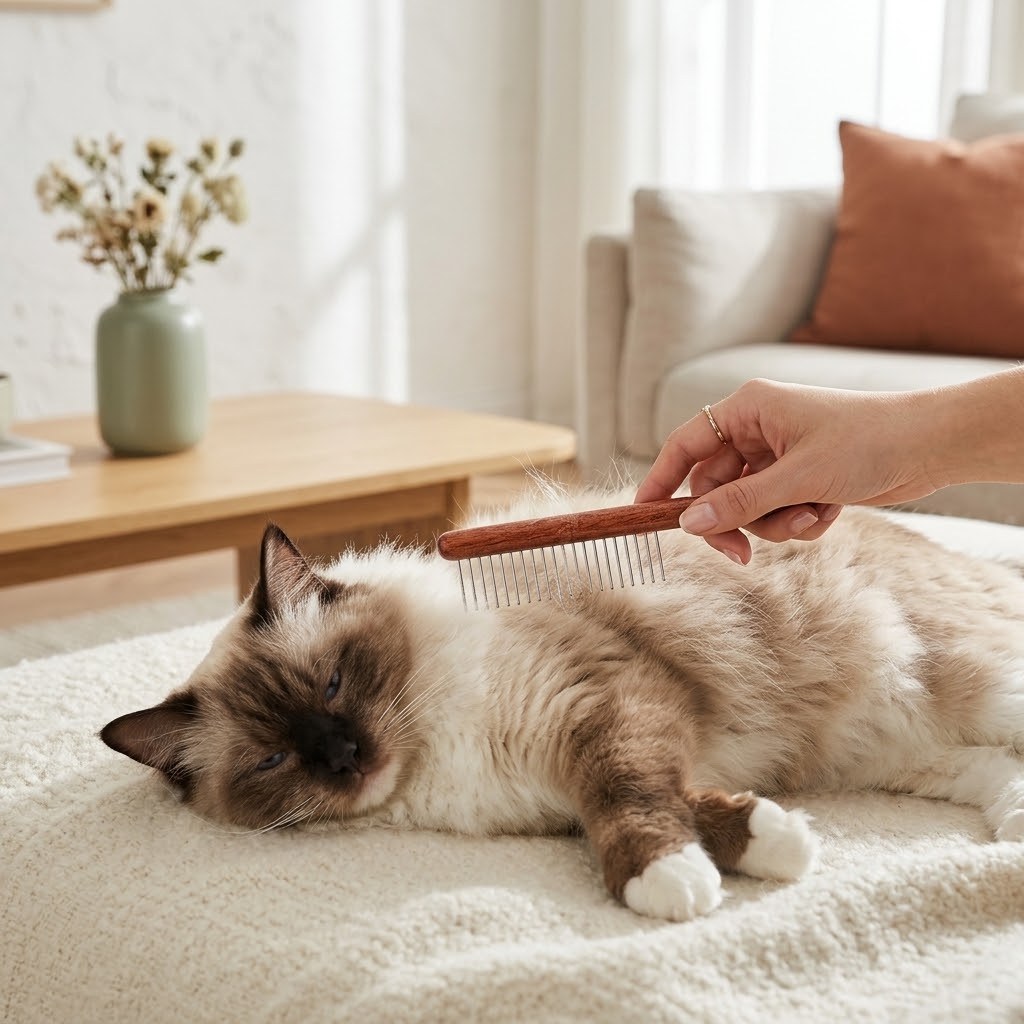
- Long or medium hair: the wood and steel comb, then the dematting rake, to undo knots before they mat; the steam brush keeps flying hair down. Our Maine Coon guide explains the method.
- Stubborn knots: the cordless clipper, with a guide comb, to free a matted knot or the belly of a long-haired cat.
- Around the home: the pet hair roller for the sofa, the hair catcher balls for the washing machine.
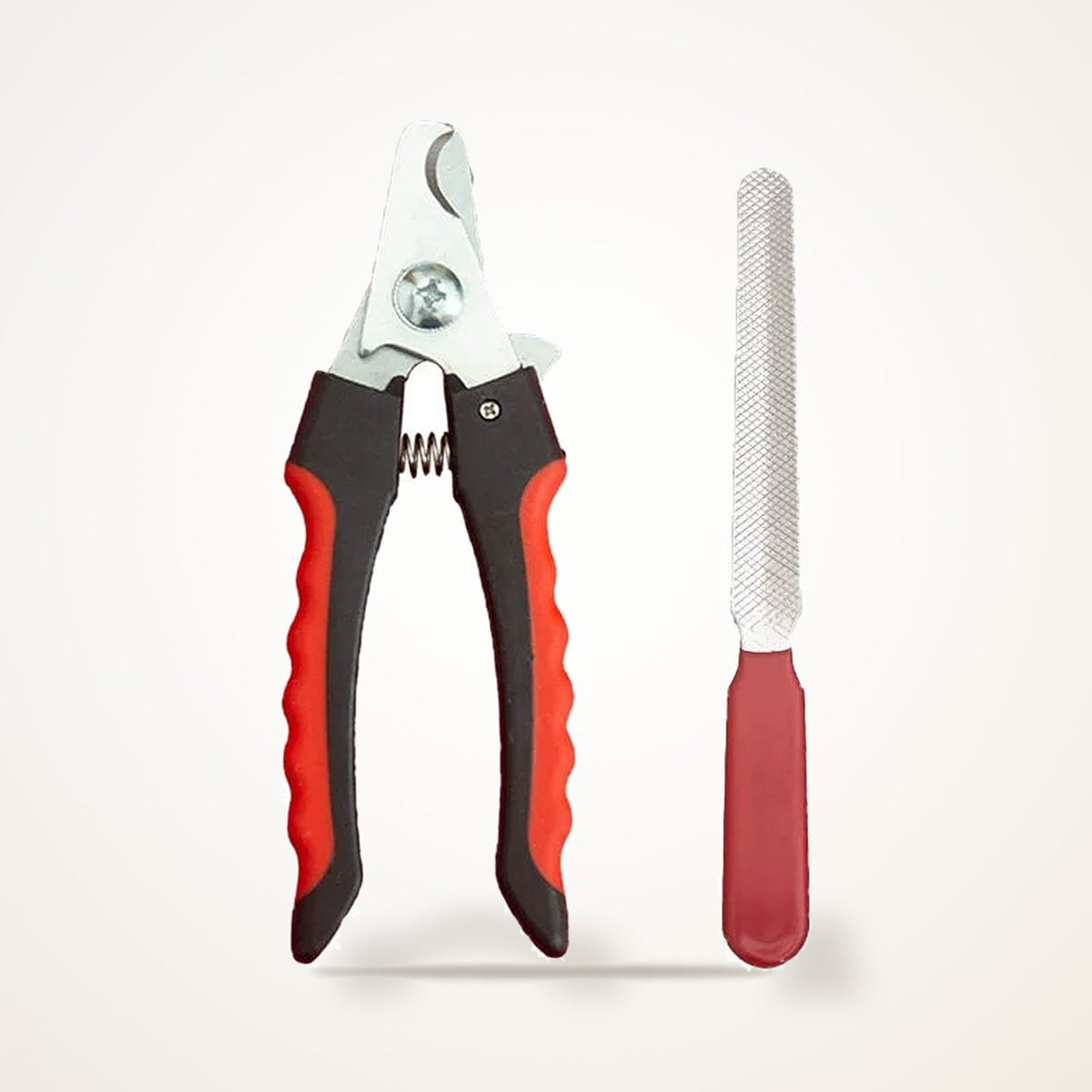
For claws, the stainless steel clipper with guard or the electric grinder: only trim the white tip, never the pink part, which is alive. A cat that wriggles is easier to handle in the grooming hammock, which holds it suspended, or wrapped in the restraint wrap, which holds by itself. After surgery, the sunflower cone, the inflatable collar or the recovery suit stop your cat from licking the wound: ask your vet which one suits.
FAQ
Should I bathe my cat?
Rarely: cats groom themselves. A bath is worth it if your cat got dirty or on your vet's advice; the bath booties then limit scratches.
How often should I trim my cat's claws?
When they catch on fabric or click on the floor: for an indoor cat, usually every few weeks.
How do I know if my cat has fleas?
Run a fine comb over damp paper: black specks that turn red are flea droppings. The full method is in our guide cat fleas.